Solar-powered stations, autonomous rovers, and scouting drones that keep outdoor spaces clean — while building the world's largest outdoor litter dataset.
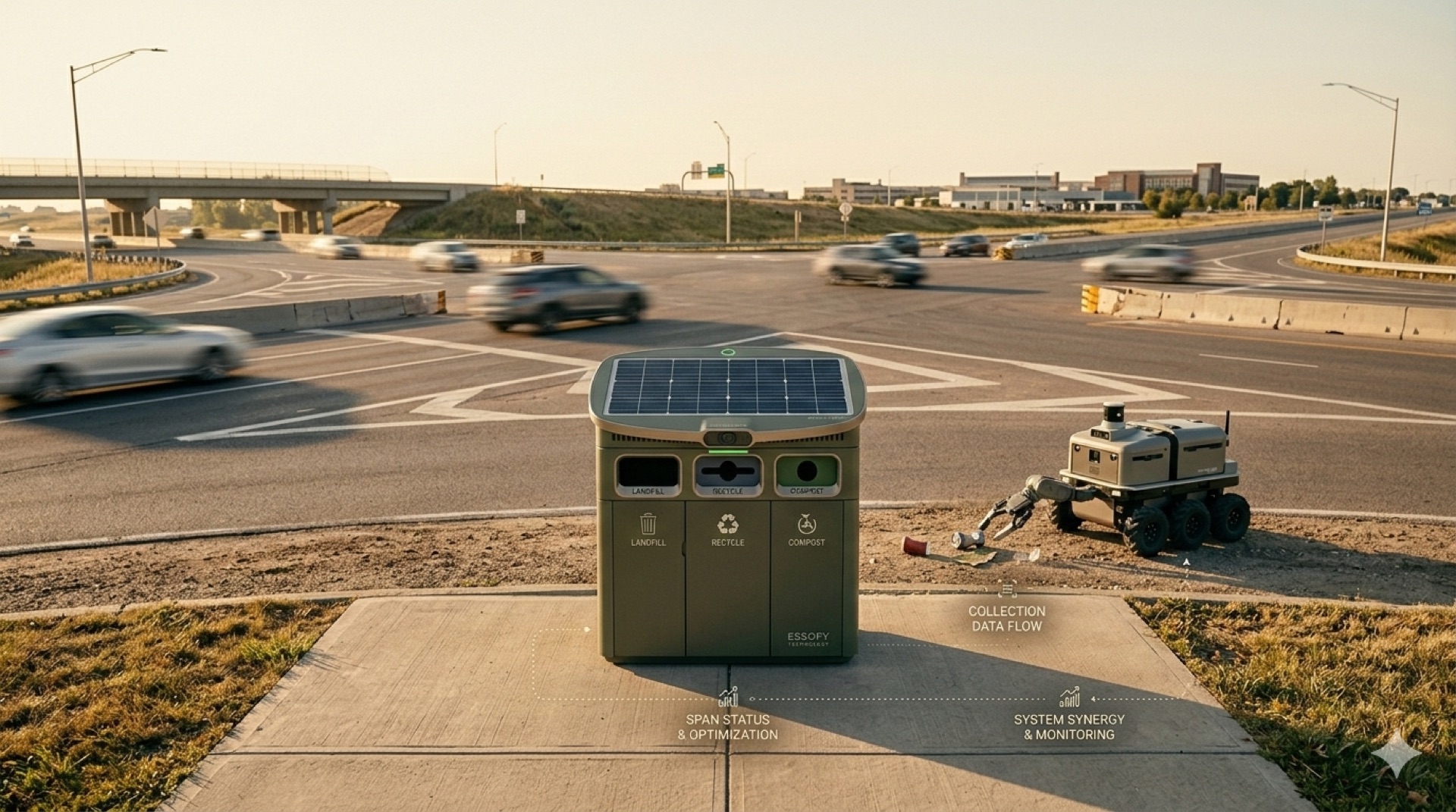
An integrated autonomous system — smart station, rover fleet, and scout drone — designed to work together to keep outdoor spaces clean.
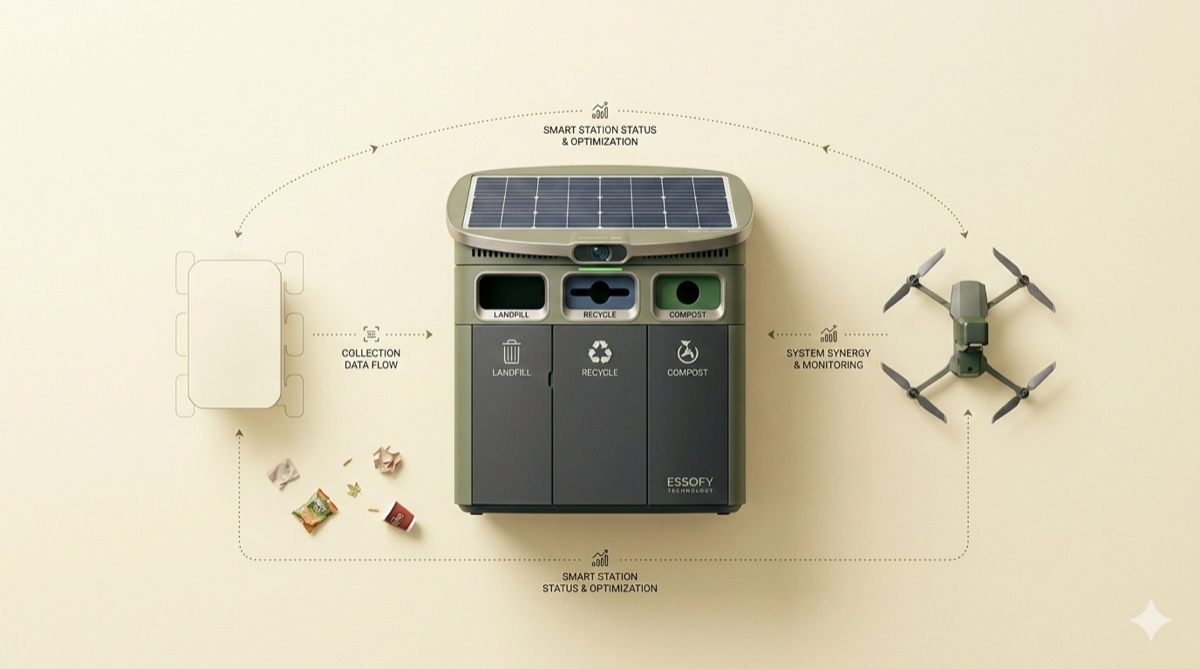
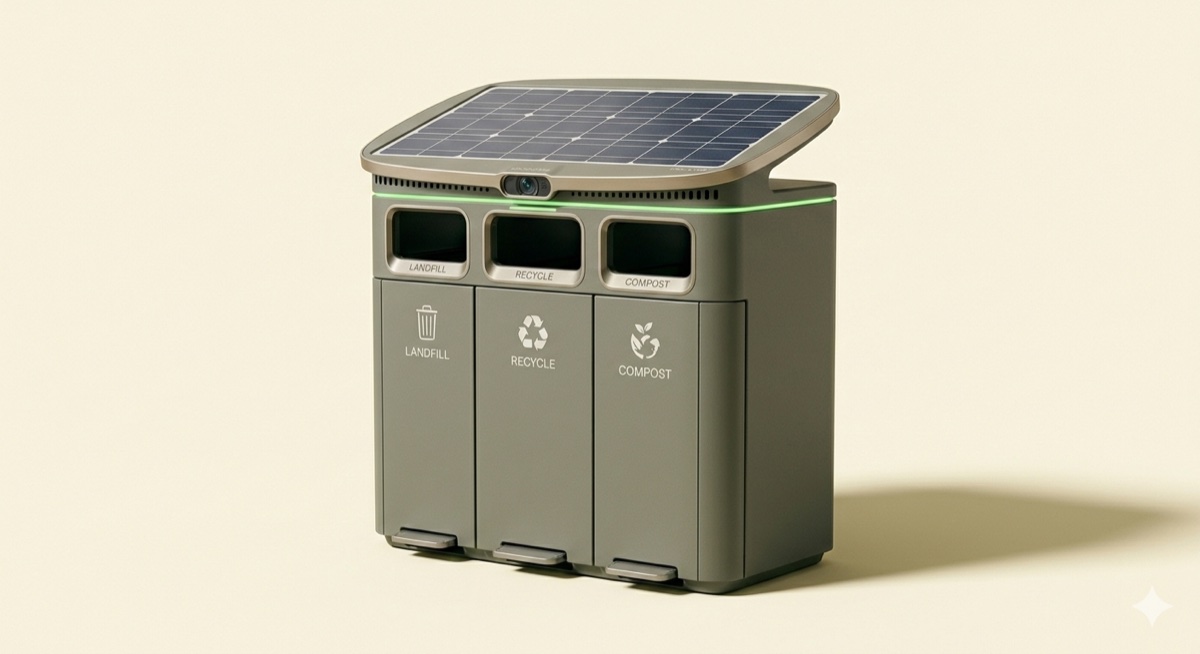
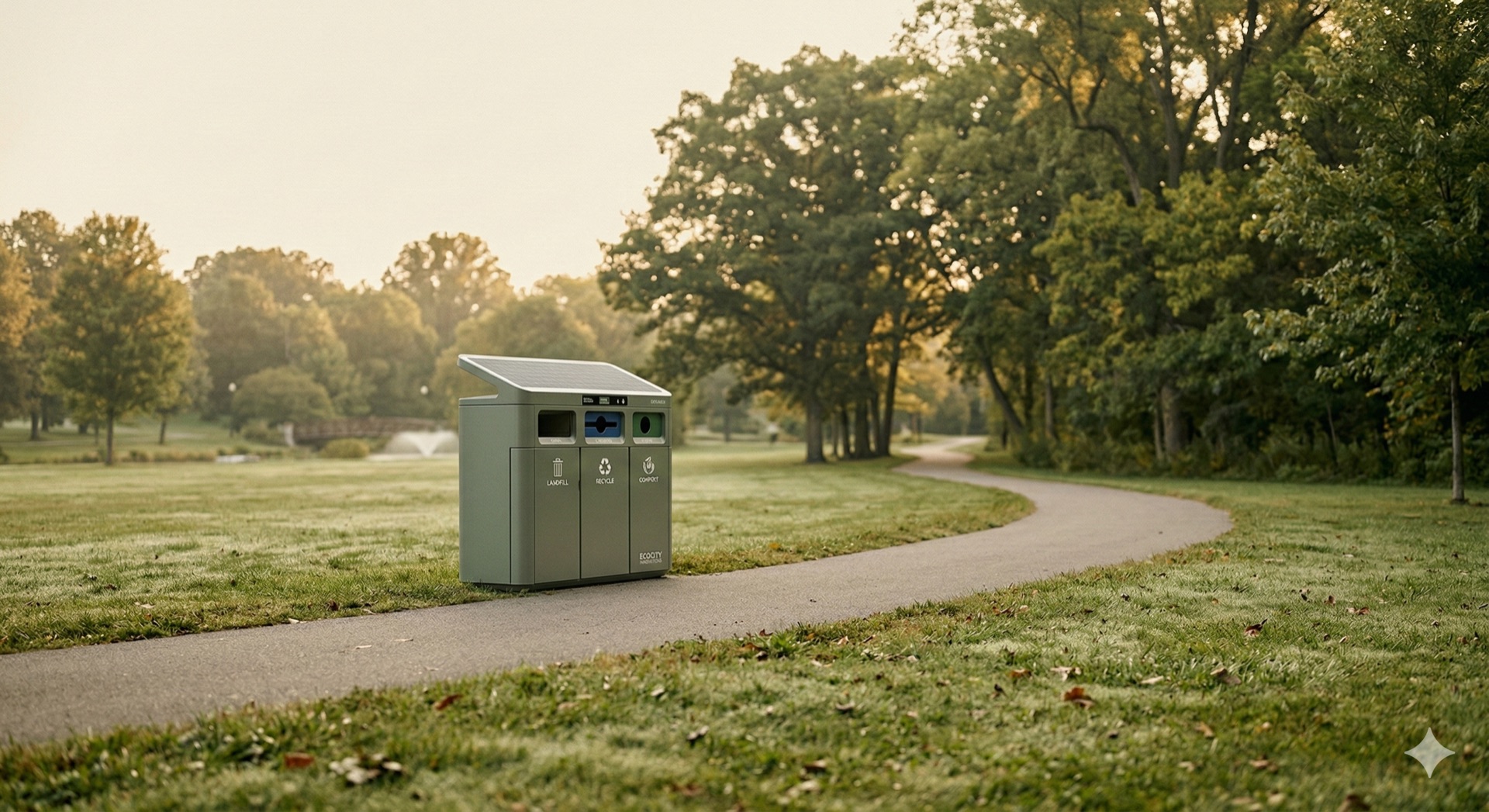
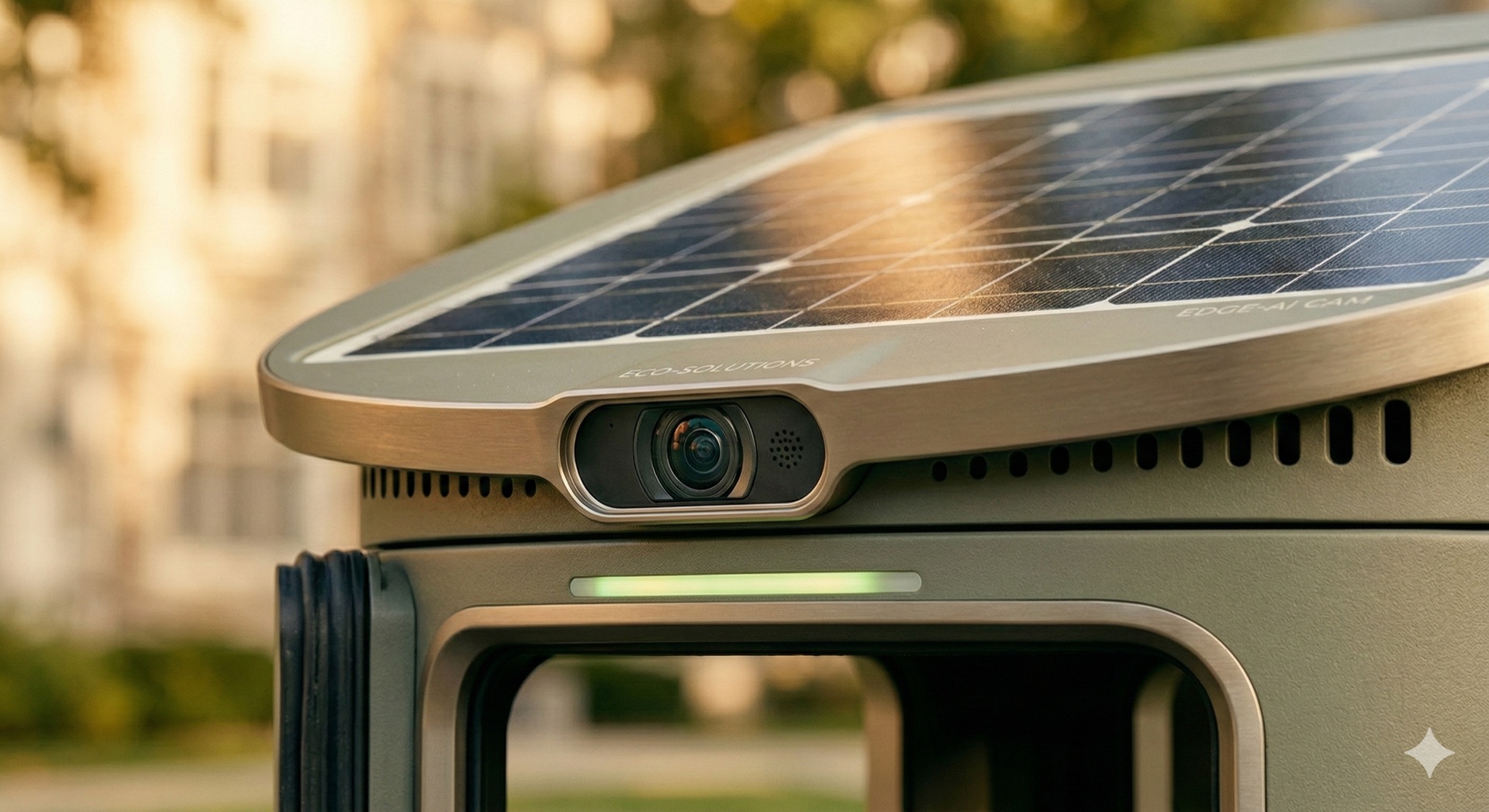
Solar-powered central hub with an onboard edge AI computer. Monitors fill levels, classifies waste types, coordinates the rover fleet, and streams analytics to the management dashboard in real time.

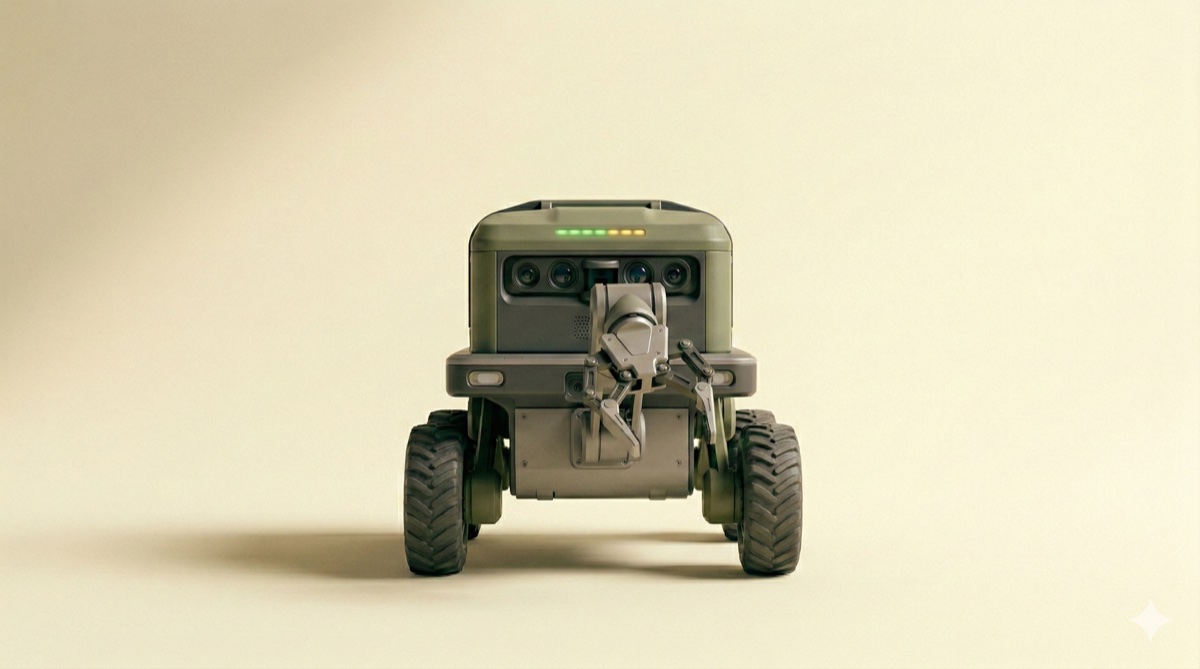
AI-powered ground rover designed to navigate sidewalks, grass, and trails to identify and collect trash. Uses Vision Language Action models that improve with every pick, then returns waste to the station.

Aerial drone surveys the coverage area, maps litter distribution, and feeds intelligence to rovers for optimized collection routes. Returns to the station for solar recharging between flights.
Station deploys scout drone
Drone maps litter locations
Station dispatches rovers
Rovers pick up litter
Data analyzed, models improve

A phased go-to-market strategy from low-friction campus deployments to high-value highway contracts.

Private campuses are the ideal proving ground. Minimal permitting requirements, controlled environments, and strong sustainability mandates make campuses the fastest path to deployment.

The largest opportunity by volume. Cities spend billions annually on litter cleanup, and growing smart city initiatives are creating dedicated budget pathways for autonomous solutions.

The most dangerous segment — and the most lucrative. Highway litter cleanup kills workers every year. Autonomous collection eliminates human risk and wins large multi-year DOT contracts.
Outdoor litter is a massive, expensive, and dangerous problem. Current solutions rely on manual labor that puts workers at risk.
Roadway/shoulder maintenance is ranked the #1 most hazardous activity by DOT highway workers.
Source: 2024 DOT Highway Worker Safety Survey
Our system won't just collect trash — it will collect data. Every object identified, every route optimized, every pattern discovered feeds into a growing dataset that no one else has.
Every trash pick refines our VLA models. More deployments mean better accuracy, faster collection, and broader terrain handling.
Real-time views of station fill levels, rover fleet status, waste type breakdowns, and historical trends. Actionable insights for facility managers.
Anonymized outdoor litter datasets sold to AI companies, robotics firms, environmental researchers, and consumer goods companies.
Comprehensive reporting on waste patterns, seasonal trends, and environmental impact for ESG reporting and municipal planning.

SPAN Robotics operates at the intersection of multiple high-growth markets totaling over $46 billion.
A comprehensive look at autonomous outdoor waste collection — the technology, the market opportunity, safety implications, and how SPAN is building the future of clean public spaces.
No sign-up required. Instant download.
Prefer listening? Get the full white paper as an audio deep-dive — covering the litter crisis, our autonomous system, and go-to-market strategy.
The full white paper as an audio deep-dive — same insights, zero scrolling.
We're developing our autonomous collection platform and looking to connect with early adopters, partners, and investors.
United States
Currently in development — accepting letters of intent for future campus pilot deployments